Karkidaka Chikitsa: Why Kerala's Monsoon Is the Best Season for Ayurvedic Treatment
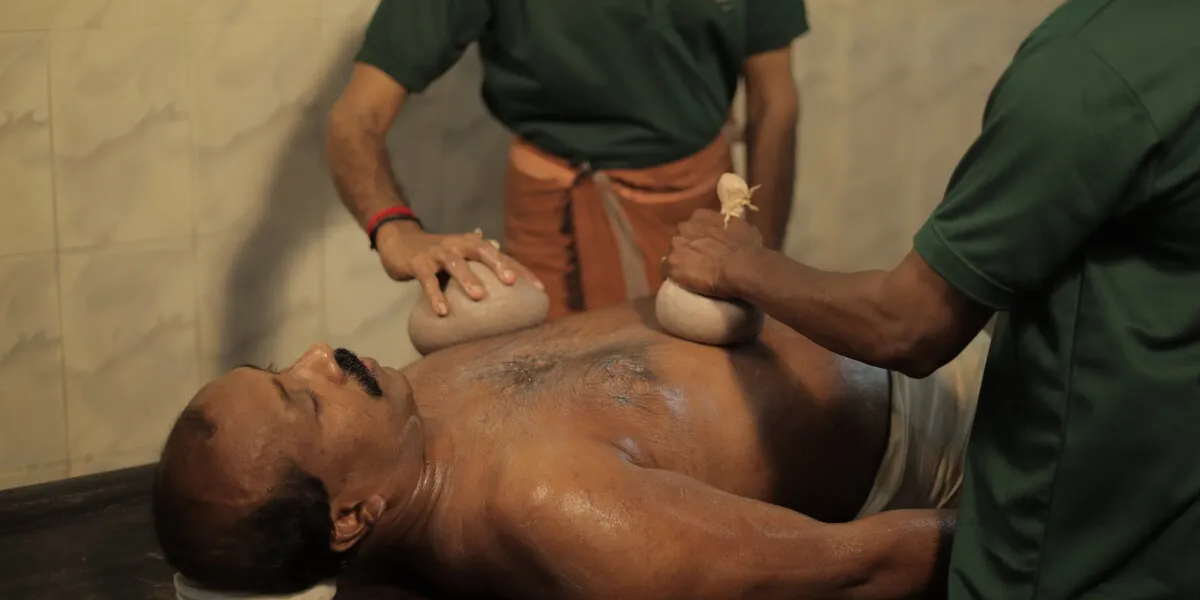
Table of Contents
What Is Karkidaka Chikitsa? Kerala's Monsoon Treatment Season
Karkidaka Chikitsa is the traditional Ayurvedic treatment undertaken during Karkidakam, the last month of the Malayalam calendar that falls in the peak of the monsoon — roughly mid-July to mid-August. For centuries in Kerala, this rain-soaked month has been regarded as the single best window of the year for Ayurvedic therapy, rejuvenation, and healing. The word simply combines Karkidakam (the month) with chikitsa (treatment).
It is not one fixed procedure but a season-appropriate programme — a mix of hands-on therapies, internal medicines, a special medicated diet, and rest — tailored to each person. For some it is preventive rejuvenation to build strength and immunity before the year ahead; for others it is the ideal time to finally treat a chronic joint or spine problem. At Agasthya Ayurvedic Hospital, an NABH-certified hospital in Ezhupunna that has treated more than 10,000 musculoskeletal cases over three decades, Karkidaka Chikitsa is delivered as structured clinical care under physician supervision — not as a spa ritual.
Why the Monsoon Is the Best Time for Ayurvedic Treatment
The idea that rainy-season treatment works better is not superstition — it follows directly from Ayurvedic reasoning about the body and its environment.
- The channels open up. In the cool, humid monsoon air, the body's pores and micro-channels (srotas) relax and open. Medicated oils absorb more deeply, and therapies such as massage, oil baths, and kizhi penetrate better than they do in the dry heat of summer.
- The body is more receptive. Karkidakam is when the three doshas — especially Vata — are naturally most aggravated, which is exactly why targeted treatment during this window is so effective at correcting imbalances at their peak.
- The climate cooperates. The air is cool, moist, and largely free of dust, which suits the long rest periods and gentle recovery that Ayurvedic treatment depends on.
- Digestion is reset. Digestive fire (agni) tends to be weak in the monsoon, so a light, medicated diet — the famous Karkidaka kanji — is used to rekindle it and let the body absorb medicines fully.
Historically, Karkidakam was also a quiet agricultural month when farming families had little field work and could afford to rest and take treatment. That practical rhythm, combined with the physiological logic above, is why generations of Keralites have set aside the monsoon for healing.
When Is Karkidaka Chikitsa in 2026?
Karkidakam is tied to the Malayalam calendar, so the exact dates shift slightly each year. In 2026, Karkidakam runs from approximately 17 July to 16 August. Treatment can begin from the first days of the month, and many patients time a 14- or 21-day in-patient course to sit within this window.
Because the season is short and demand is high, in-patient slots fill quickly — you should book at least about a month in advance. With Karkidakam 2026 beginning in mid-July, now is the time to plan. You can reserve your dates directly on WhatsApp or through our contact page.
What Karkidaka Chikitsa Involves
A Karkidaka programme is built around a small number of powerful, well-proven therapies, sequenced and dosed to your body and goals by your physician. The core therapies used in our monsoon protocols include:
- Marma Abhyangam — a full-body therapeutic oil massage that works the 107 marma (vital) points. It is the clinical foundation of Marma Chikitsa, releasing blocked channels, easing stiffness, and preparing the tissues for the deeper therapies that follow.
- Njavarakizhi — boluses of Njavara rice cooked in medicated milk and herbal decoction, massaged over the body. This is one of Ayurveda's most nourishing, tissue-building (anabolic) therapies and the signature rejuvenation treatment of the monsoon season.
- Pizhichil — a continuous, rhythmic stream of warm medicated oil poured over the body. Deeply calming to an aggravated nervous system, it strengthens the muscles and structures around the spine and joints.
- Bashpa Swedam — medicated herbal steam that opens the channels, relaxes muscle spasm, and helps the oils work.
- Shirodhara — a steady flow of warm oil over the forehead that calms the mind, eases stress, and supports sleep — valued as part of monsoon rejuvenation.
Alongside the hands-on therapies, internal Ayurvedic medicines and rasayana (rejuvenating) preparations work from within, and a medicated monsoon diet supports digestion and recovery. Whether your programme leans toward rejuvenation or toward treating a specific condition is decided at your consultation.
Karkidaka Chikitsa for Joint and Spine Conditions
For patients with chronic pain, the monsoon is not just a time to feel refreshed — it is the most effective window of the year to treat the problem at its source. The same qualities that make Karkidakam ideal for rejuvenation — open channels, deeper oil absorption, a body primed to respond — make it the best time to address back pain, a disc bulge, sciatica, cervical spondylosis, and knee arthritis.
This is precisely where Agasthya's specialisation lies. Around 90–95% of our patients report significant improvement, many of them after being advised that surgery was their only option — and all of it at a fraction of the cost of an operation, with none of its risks. Benny Joseph, who had tried years of treatment for his back before coming here, put it simply: "After years of various treatments for my back it was at Agasthya that I got healed. Dr Bose and his team of therapists are devoted to their treatment methods. Your wellness begins to happen from the day you step in there."
If you have been putting off treatment for a nagging joint or spine problem, Karkidakam is the season to act on it.
Who Should Consider Karkidaka Chikitsa
Karkidaka Chikitsa suits a wide range of people:
- Anyone with a chronic joint, spine, or muscle condition who wants to treat it in the most receptive season of the year.
- Retirees and senior citizens managing age-related bone and joint ailments — our Post-Retirement Rejuvenation programme pairs naturally with the monsoon season.
- IT professionals and desk workers whose necks and lower backs suffer from long hours of sitting.
- Those seeking preventive rejuvenation — to build strength, immunity, and energy before the year ahead. Many return every monsoon. As Bhupeshwaran M told us: "I normally visit this place for rejuvenation purpose. The hospitality is fantastic. I love to come again and again."
- NRIs and visitors planning a trip home, who want to combine a health reset with time in Kerala during the greenest, most beautiful season.
Karkidaka Kanji: The Monsoon's Medicinal Diet
No account of Karkidaka Chikitsa is complete without Karkidaka kanji (also called oushadha kanji or marunnu kanji) — a warm, medicated rice gruel taken through the month. It is prepared from Njavara or matta rice cooked with a blend of digestive and strengthening herbs and spices — such as fenugreek, cumin, ajwain, and dashamoola — often finished with coconut milk and jaggery.
Traditionally taken for a stretch of days during Karkidakam, this gentle diet rekindles weak monsoon digestion, supports immunity, and helps the body absorb the season's medicines fully. During an in-patient stay, your condition-appropriate diet is prepared fresh and served on time as part of the treatment — food, here, is medicine, not an afterthought.
What to Expect at Agasthya
Karkidaka Chikitsa at Agasthya is delivered the way all our treatment is: as clinical care in a hospital, wrapped in a genuinely homely environment. Your day centres on one to two hours of therapy each morning, delivered by a therapy team that has worked together here since 1998, followed by prescribed rest, gentle walks, fresh Ayurvedic meals, and internal medicines.
Patients consistently describe the atmosphere as a home away from home. Babu Eshwar Prasad, after a course here, said: "After 21 days of care and deep healing, I have come out feeling rejuvenated and stronger. I am truly grateful… for the nurturing environment of the hospital which felt more like home than a medical centre." Irin David echoed the sentiment: "It was really amazing and rejuvenating… I never felt I was away from home."
The programme is overseen by Dr. T.D. Bose, who trained under Marmacharya Shri Sudheer Vaidhyar and brings over 30 years of experience, supported by our full physician team. Accompanying family members can stay in the same accommodation, and health insurance covering Ayurvedic treatment is accepted, with cashless options expanding under our NABH certification. You can read more real accounts on our patient testimonials page.
How to Book Your Karkidaka Chikitsa for 2026
The Karkidaka season is short and slots are limited, so early booking matters. Here is how to secure your treatment:
- Reach out now. Message us on WhatsApp or use our contact page to start the conversation.
- Share your details. If you are treating a specific condition, send your recent MRI or X-ray reports and a summary of what you've already tried, so we can recommend the right duration and protocol.
- Confirm your dates. We'll help you plan a 14- or 21-day stay within the mid-July to mid-August window, and arrange accommodation for you and any accompanying family.
Don't wait for the rains to pass. Karkidakam 2026 begins in mid-July, and the best slots go early. Message our team on WhatsApp or reach out through our contact page to plan your monsoon treatment at Agasthya. To learn more about the therapies at the heart of Karkidaka Chikitsa, explore our treatments and the Marma Chikitsa pillar.
Frequently Asked Questions
When is Karkidaka Chikitsa in 2026?
Karkidaka Chikitsa is done during Karkidakam, the last month of the Malayalam calendar, which falls in the peak monsoon — roughly mid-July to mid-August. In 2026, Karkidakam runs from approximately 17 July to 16 August. Because the dates shift slightly each year with the Malayalam calendar and slots fill fast, it's best to book your treatment at least about a month in advance.
Is Karkidaka Chikitsa only for healthy people, or can it treat conditions like back pain?
Both. Karkidaka Chikitsa can be preventive rejuvenation to build strength and immunity, or a focused treatment for a specific condition. In fact, the monsoon is considered the most effective time of year to treat chronic joint and spine problems such as back pain, disc bulge, sciatica, cervical spondylosis, and knee arthritis, because the body absorbs therapies and medicines more deeply in this season. Your physician tailors the programme to your goal.
Why is the monsoon considered the best time for Ayurvedic treatment?
In the cool, humid monsoon air, the body's pores and channels open up, so medicated oils and therapies penetrate more deeply and work better. The doshas — especially Vata — are also naturally at their peak, making this the ideal window to correct imbalances. The dust-free, cooler climate suits the rest and recovery that Ayurvedic treatment depends on, and a light medicated diet resets monsoon digestion so the body absorbs medicines fully.
How far in advance should I book Karkidaka Chikitsa?
At least about a month ahead. The Karkidakam season is only around four weeks long and in-patient demand is high, so slots for 14- and 21-day courses fill quickly. With Karkidakam 2026 beginning in mid-July, we recommend reaching out now to confirm your dates on WhatsApp or through our contact page.
What is Karkidaka kanji?
Karkidaka kanji (also called oushadha kanji or marunnu kanji) is a warm, medicated rice gruel taken during Karkidakam. It is made from Njavara or matta rice cooked with digestive and strengthening herbs and spices such as fenugreek, cumin, ajwain, and dashamoola, often with coconut milk and jaggery. It rekindles weak monsoon digestion, supports immunity, and helps the body absorb the season's medicines. During an in-patient stay, your condition-appropriate diet is prepared fresh as part of the treatment.
How long is a Karkidaka Chikitsa treatment?
It depends on your goal and condition. Preventive rejuvenation may be a shorter course, while treating a chronic joint or spine condition is usually a 14- or 21-day in-patient programme timed to sit within the Karkidakam window. The exact duration is a clinical decision your physician makes after reviewing your case, and it is followed by a rest period at home with continued medicines.
Related Treatment
Learn more about this treatment at Agasthya
Written by
Dr. T.D. BoseChief Physician at Agasthya Ayurvedic Medical Centre with 30+ years of experience in Marma Chikitsa and traditional Ayurvedic treatments.
Have questions about this treatment?
Share your reports on WhatsApp for a personalized consultation.