Lepanam
About Lepanam
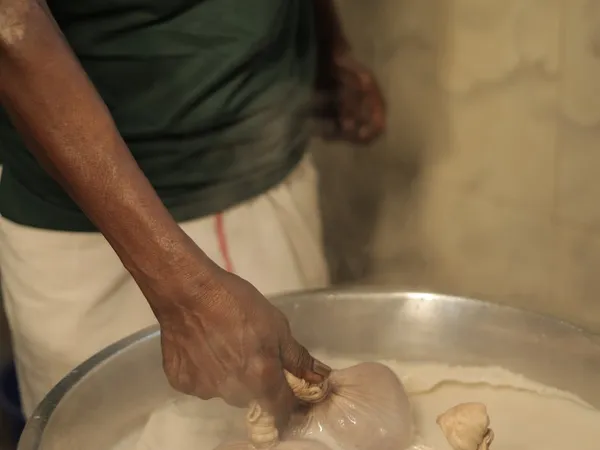
Lepanam is the topical application of a freshly prepared medicated paste to an affected area — left exposed (not bandaged) to act for 1–3 hours before being washed off. It is the more straightforward cousin of Upanaham: where Upanaham seals the medicine in for hours overnight, Lepanam delivers a shorter, cooler, more accessible localised treatment. The paste is composed of herbs ground fresh with a suitable liquid (water, buttermilk, or herbal decoction), selected by the treating physician for the underlying picture — cooling paste for inflammatory, hot, swollen presentations; warming paste for stiff, cold, Vata-aggravated presentations. At Agasthya, Lepanam is regularly used for localised joint swelling, sprains, contusions, acute cervical inflammation, and skin-level inflammatory conditions where targeted herbal application is more appropriate than systemic therapy.
Duration
Paste applied for 1–3 hours per session; frequency determined by the treating physician
Key Benefits
Indications
- Localised joint swelling and inflammation
- Sprains and contusions
- Acute cervical inflammation
- Gout (Vatarakta) flare-ups
- Skin-level inflammatory conditions
- Post-injury soft tissue inflammation
Frequently Asked Questions
How is Lepanam different from Upanaham?
How does Dr. Bose decide between a cooling and warming Lepanam?
How often is Lepanam applied during a treatment course?
Ready to Experience the Benefits?
Book a consultation with our Ayurvedic specialists to learn how Lepanam can help you.
Conditions This Treats
- Cervical Spondylosis Treatment → Localised treatment for acute cervical inflammation
- Knee Pain Treatment → Non-surgical approach to knee swelling, arthritis, and joint pain
- Marma Chikitsa → The complete guide to our core treatment approach for joints and spine
Why Agasthya?
- NABH-certified hospital
- 10,000+ cases treated
- 30+ years of experience
- Led by Dr. T.D. Bose
- 4.9/5 rating (200+ reviews)
Medically reviewed by Dr. T.D. Bose, Chief Physician, Agasthya Ayurvedic Hospital. Last updated: March 22, 2026.